
⏱ Estimated reading time: 17 min read
Building wealth through property is not simply about purchasing a house, waiting for prices to rise and buying another.
For Australians who already own their primary residence, property investment can provide an opportunity to convert accumulated equity, borrowing capacity and consistent income into long-term financial assets.
However, successful property wealth creation requires more than identifying a promising suburb or securing an investment loan.
It requires a structured approach to acquiring assets, managing debt, protecting cash flow and planning for the future.
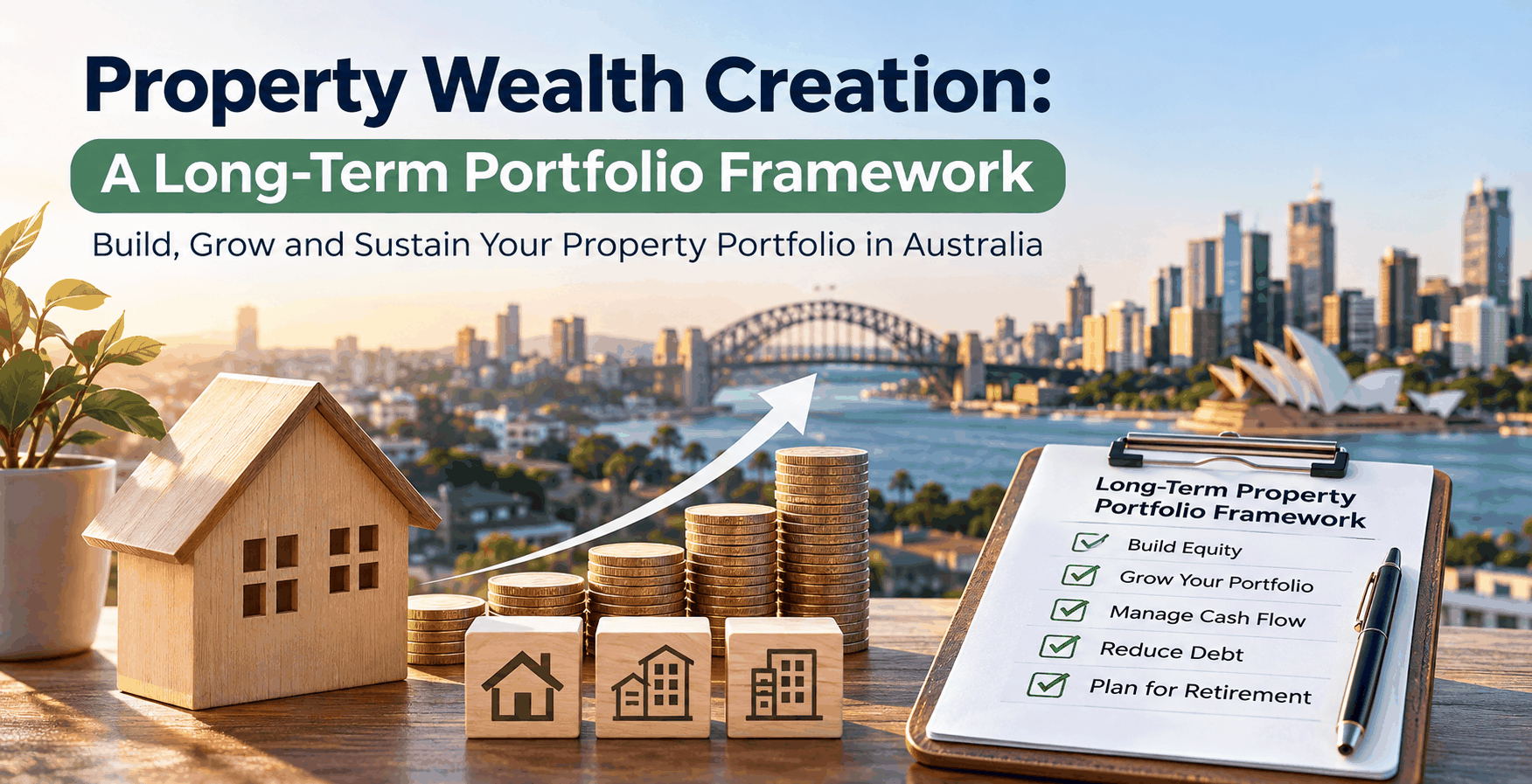
The most sustainable property portfolios are built around long-term financial goals rather than the number of properties owned.
Whether your objective is to purchase a second property, develop a portfolio of rental investments or create an additional income stream for retirement, understanding how each financial decision affects the next is essential.
This guide explains how Australian property investors can build a long-term portfolio framework, use existing home equity strategically and structure their finance to support sustainable wealth creation.
Quick Answer: How Do Australians Build Long-Term Wealth Through Property?
Australians can build wealth through investment property by combining potential capital growth, rental income, debt reduction and accumulated equity over time.
A successful long-term property investment strategy generally involves:
- Establishing clear financial and retirement objectives.
- Understanding available equity and borrowing capacity.
- Selecting properties with suitable growth and rental fundamentals.
- Structuring investment loans to support cash flow.
- Maintaining sufficient financial buffers.
- Reviewing the portfolio as income, property values and interest rates change.
- Gradually reducing debt or repositioning assets as retirement approaches.
For existing homeowners, accumulated equity may help finance an investment property without requiring the entire deposit to come from savings. However, accessing equity increases debt and depends on lender approval.
1. Understanding Property Wealth Creation in Australia
Property wealth creation is the process of building financial value through real estate investments over an extended period.
Unlike short-term property speculation, a long-term investment strategy focuses on how a property contributes to overall financial security.
Four mechanisms typically influence the outcome.
| Wealth Creation Mechanism | How It Works | Long-Term Benefit |
|---|---|---|
| Capital growth | The property’s market value increases | Potentially builds equity |
| Rental income | Tenants provide recurring income | Helps offset ownership costs |
| Debt reduction | Principal repayments reduce outstanding borrowing | Increases net equity |
| Equity utilisation | Existing property equity supports further investment | May enable portfolio expansion |
These mechanisms can complement one another, but they do not always move in the same direction.
For example, a property may experience strong capital growth while generating negative annual cash flow. Another may provide higher rental income but limited appreciation.
The objective is to establish a balance that reflects your income, financial commitments, risk tolerance and investment timeframe.
Property is also only one possible component of a broader wealth strategy. Diversifying across assets can reduce dependence on a single market.
2. Start With Your Primary Residence: Building Wealth From Existing Equity
For Australians who already own a home, the first step towards an investment property portfolio may be understanding how much equity they have accumulated.
Home equity represents the difference between a property’s current value and the outstanding mortgage.
However, total equity and usable equity are not the same thing.
Example: Calculating Usable Home Equity
Consider a homeowner with the following financial position.
| Component | Illustrative Amount |
|---|---|
| Current home value | $1,000,000 |
| Outstanding home loan | $550,000 |
| Total equity | $450,000 |
| 80% of property value | $800,000 |
| Less existing mortgage | $550,000 |
| Potential usable equity | $250,000 |
In this scenario, the homeowner has $450,000 in total equity but approximately $250,000 in potential usable equity at an 80% loan-to-value ratio.
This does not mean the homeowner can automatically borrow an additional $250,000.
Lenders assess income, expenses, current debts, credit history, property valuation and serviceability before approving additional finance.
Can You Use Home Equity to Buy an Investment Property?
Potentially, yes.
Eligible homeowners may be able to access available equity through refinancing, an additional loan split or another lender-approved arrangement.
The funds could contribute towards a deposit and associated property purchase costs.
For example, purchasing a $650,000 investment property with a 20% deposit would require $130,000 towards the deposit, plus stamp duty and other acquisition expenses.
Using equity may reduce the amount of cash savings required upfront. However, the equity release is borrowed money, not free capital, and must be repaid.
Homeowners should also understand that using their primary residence as security can place that home at risk if repayments become unaffordable.
If you are considering leveraging your existing property to fund another purchase, explore NMC Finance’s investment property loan solutions to understand your financing options.
3. Define a Long-Term Property Portfolio Strategy
A property portfolio should serve a financial purpose.
For some Australians, the goal is to accumulate assets that appreciate over 20 years. For others, the objective is to create rental income that supplements retirement savings.
These goals require different approaches to borrowing, property selection and cash-flow management.
Three Common Property Investment Strategies
| Strategy | Primary Objective | Considerations |
|---|---|---|
| Capital growth focused | Build asset value over time | Holding costs, location fundamentals, market cycles |
| Rental income focused | Generate consistent income | Yield, vacancy, maintenance and tenant demand |
| Balanced portfolio | Combine income and potential growth | Property diversification, finance structure and cash flow |
An investor with a high household income and a long investment horizon may be comfortable holding an investment property that requires some ongoing cash contributions.
Someone approaching retirement may instead prioritise reducing debt and improving net rental income.
Neither approach is automatically superior.
The appropriate strategy depends on whether the investment is intended to build equity, generate income or achieve a combination of both.
4. The 20-Year Property Wealth Creation Framework
Long-term property investment is best approached in stages.
Instead of assuming that a new property should be purchased every few years, investors can establish milestones based on financial capacity.
Illustrative Long-Term Portfolio Roadmap
| Stage | Timeframe | Primary Focus | Financial Priorities |
|---|---|---|---|
| Foundation | Years 1–3 | Assess existing home equity and purchase the first investment | Borrowing capacity, deposit, buffers |
| Accumulation | Years 4–7 | Review the first investment and potential next acquisition | Capital growth, cash flow, serviceability |
| Expansion | Years 8–12 | Consider portfolio diversification | Debt management, rental performance |
| Consolidation | Years 13–17 | Strengthen the existing portfolio | Reducing risk and improving net cash flow |
| Wealth preservation | Years 18–20+ | Prepare assets for long-term income or retirement | Debt reduction, liquidity, succession |
This framework is a planning tool rather than a fixed acquisition schedule.
An investor may choose to hold a single well-performing property for 20 years. Another may gradually acquire multiple properties.
The critical consideration is whether each acquisition improves the investor’s overall financial position without creating excessive financial pressure.
Why Buying More Properties Is Not Always Better
Owning five properties does not necessarily create more wealth than owning two.
A larger portfolio may also involve higher total borrowing, maintenance expenses, insurance premiums, land tax and vacancy exposure.
For this reason, investors should track net equity and sustainable cash flow rather than asset count alone.
A smaller, well-financed portfolio can sometimes provide greater flexibility and financial security than a heavily leveraged collection of properties.
5. How Property Capital Growth Compounds Over Time
One of the potential benefits of long-term property ownership is capital appreciation.
If a property increases in value, future percentage gains are calculated on its higher market value.
This creates a compounding effect.
Illustrative Property Growth Over 20 Years
Consider a $650,000 investment property under three hypothetical annual growth scenarios.
| Holding Period | 2% Annual Growth | 4% Annual Growth | 6% Annual Growth |
|---|---|---|---|
| Purchase | $650,000 | $650,000 | $650,000 |
| 5 years | $717,653 | $790,809 | $869,848 |
| 10 years | $792,345 | $962,159 | $1,164,550 |
| 15 years | $874,813 | $1,170,614 | $1,557,254 |
| 20 years | $965,138 | $1,424,230 | $2,084,638 |
Figures are rounded and assume constant annual growth. They are hypothetical scenarios, not property market forecasts. They exclude purchase and selling costs, taxes, financing expenses, improvements and inflation.
Under the 4% scenario, the property’s value increases from $650,000 to approximately $1.42 million over 20 years.
However, property values do not increase consistently every year.
Australian residential property markets can experience periods of stagnation, declining prices and differing growth rates between regions.
Investors should therefore assess whether they can continue holding their property during less favourable market conditions.
Capital Growth Is Not the Same as Investment Profit
A higher property valuation does not automatically mean the investment has generated a positive overall return.
The actual financial outcome depends on the purchase price, transaction costs, loan interest, rental income, ownership expenses and any tax obligations.
The most useful measurement is the property’s contribution to net wealth after accounting for liabilities and costs.
6. Balancing Capital Growth and Rental Cash Flow
One of the most important decisions in building a property portfolio is determining how much negative cash flow an investor can comfortably manage.
Rental yield measures annual rental income relative to the property’s purchase price.
However, gross rental yield does not account for operating expenses, interest costs or loan repayments.
Example: Annual Investment Property Cash Flow
| Financial Component | Annual Amount |
|---|---|
| Investment property value | $650,000 |
| Weekly rental income | $650 |
| Gross annual rent (52 weeks) | $33,800 |
| Two weeks of vacancy | -$1,300 |
| Property management and other operating costs | -$7,000 |
| Loan interest ($520,000 at 6%) | -$31,200 |
| Annual cash-flow position | -$5,700 |
| Weekly cash-flow shortfall | Approximately $110 |
Illustrative interest-only scenario, before tax and principal repayments. The operating cost allowance is hypothetical; actual costs, rates, vacancies and financing arrangements will vary.
In this example, the investor contributes approximately $110 per week to cover the property’s shortfall.
That contribution may be manageable for someone with stable income and sufficient savings.
However, an investor should never assume that future capital growth will automatically compensate for ongoing losses.
How Much Should You Budget for Vacancies and Repairs?
A sensible portfolio framework includes allowances for unexpected expenses.
Depending on the property, these could include plumbing repairs, replacement appliances, strata levies, insurance increases and periods without rental income.
Investors should maintain accessible financial reserves and assess how their cash flow would respond to higher interest rates.
7. Structuring Investment Loans for Portfolio Growth
The finance structure supporting an investment property can influence both current affordability and future borrowing opportunities.
A lender may assess multiple factors, including existing mortgages, household income, living expenses, rental income, loan-to-value ratios and credit commitments.
Importantly, having substantial equity does not automatically mean an investor has sufficient borrowing capacity.
Comparing Common Investment Loan Structures
| Loan Structure | Potential Benefit | Important Consideration |
|---|---|---|
| Principal and interest | Gradually reduces debt | Higher initial repayments than comparable interest-only loans |
| Interest-only | Lower repayments during the interest-only period | Debt does not reduce; repayments may increase later |
| Fixed rate | Repayment certainty for an agreed period | Restrictions and break costs may apply |
| Variable rate | Potential flexibility and offset features | Repayments or interest costs can increase |
| Split loan | Combines fixed and variable portions | Requires careful management of loan features |
For investors using equity from an existing home, keeping investment borrowings clearly separated from private borrowings can also simplify recordkeeping.
Tax deductibility generally depends on how borrowed funds are used, not simply which property secures the loan.
Why Borrowing Capacity Matters More as the Portfolio Expands
Each investment purchase creates additional financial obligations.
Australian lenders assess repayment capacity using prudential lending standards, including interest-rate serviceability buffers. Lenders may also apply debt-to-income restrictions and their own credit policies.
These requirements make forward planning especially important for investors considering a second or third acquisition.
Working with an experienced finance broker can help investors understand their position across different lenders before committing to another purchase.
Learn more about how NMC Finance supports property investors with tailored financing options, including investment loans, refinancing and equity-based borrowing.
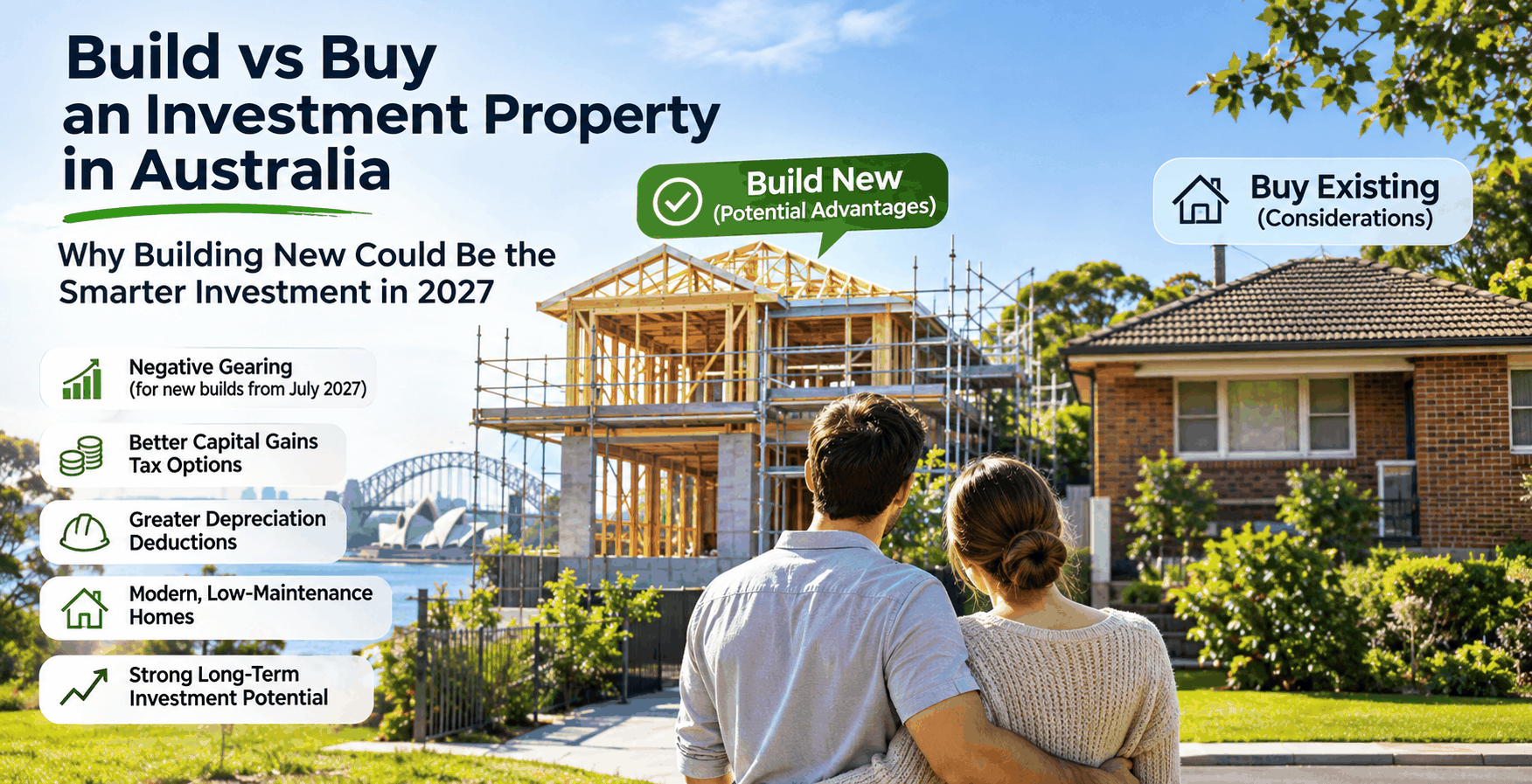
8. New Construction Versus Established Investment Properties
The choice between building a new investment property and purchasing an established home can influence both financing requirements and long-term ownership costs.
Neither option guarantees stronger capital growth.
| Consideration | New Construction | Established Property |
|---|---|---|
| Initial condition | Newer fixtures and systems | May require maintenance or upgrades |
| Rental availability | Usually after construction completion | May generate rent sooner |
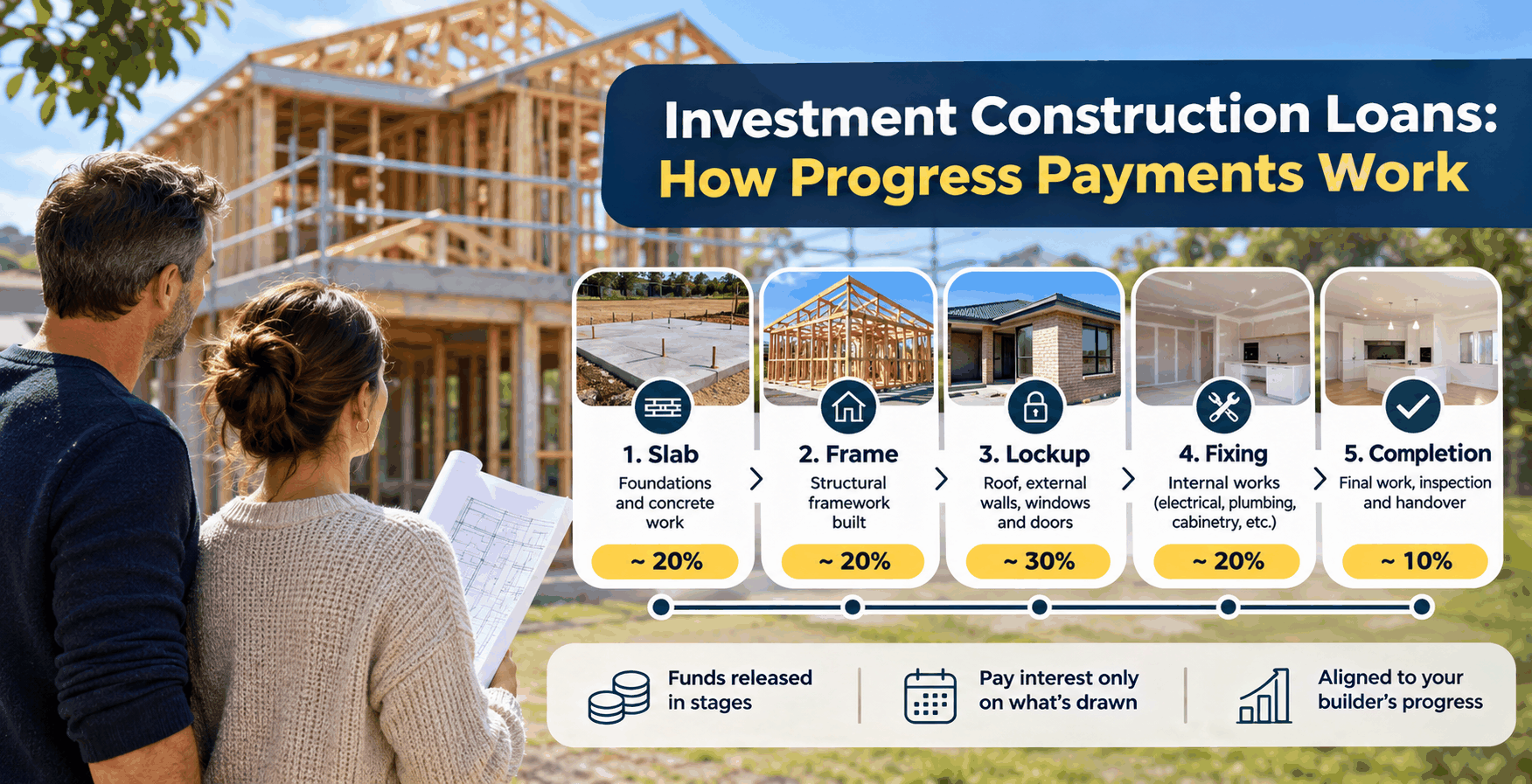
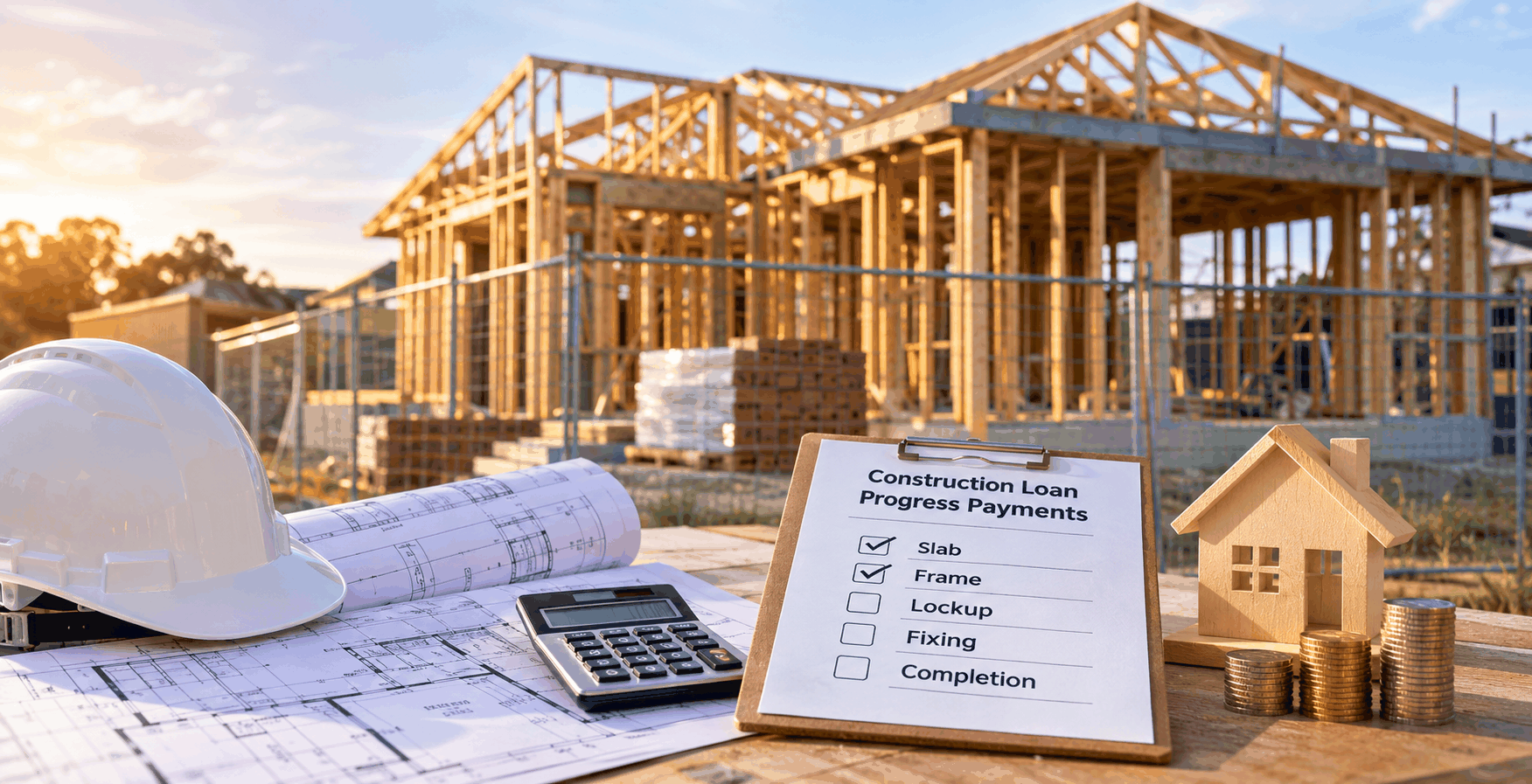
| Finance | Construction finance may involve staged payments | Conventional investment property loan |
| Tax considerations | Potential eligibility for certain building-related deductions and concessions | Depends on acquisition date, asset characteristics and applicable law |
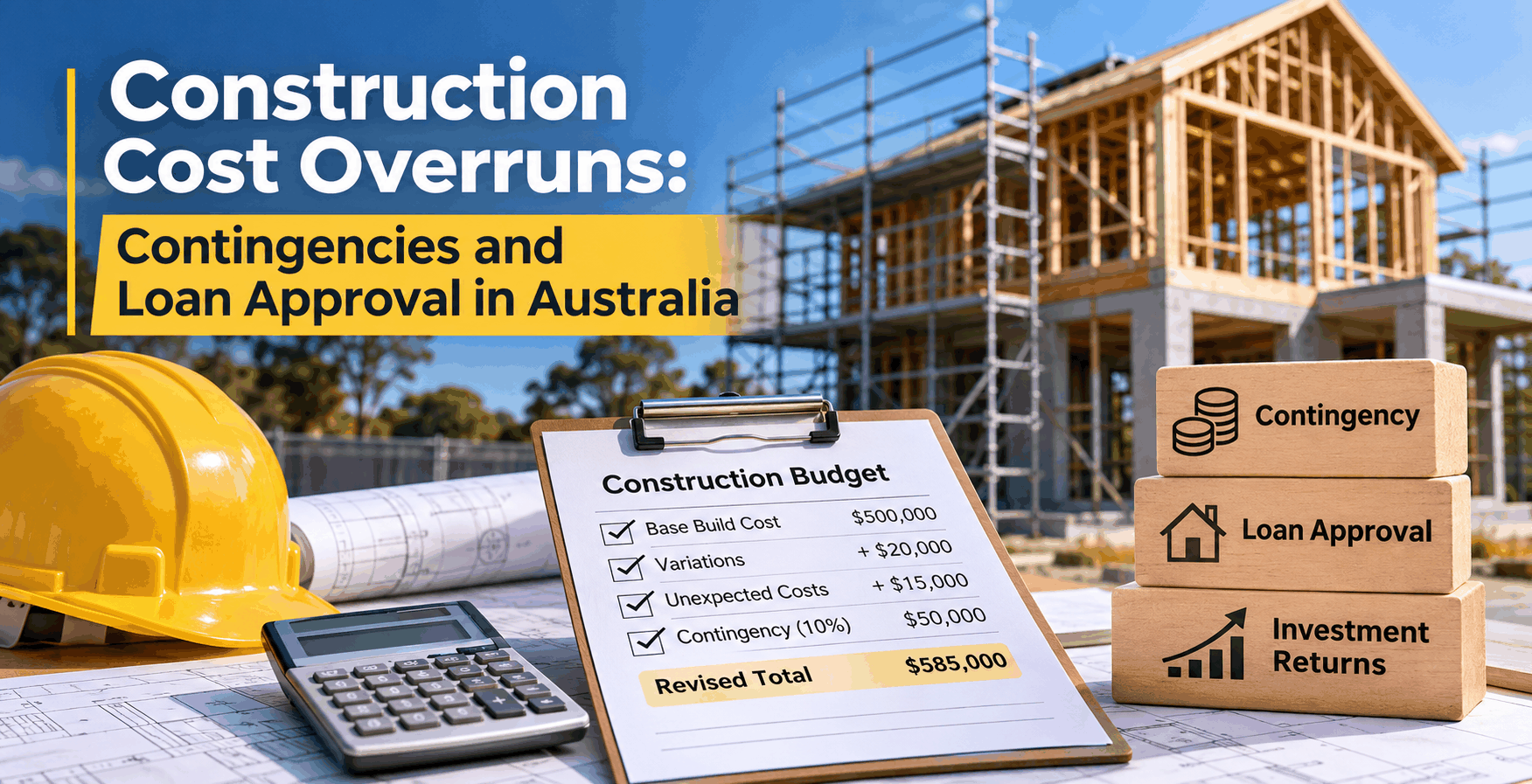
| Key risks | Builder delays, variations and cost overruns | Hidden defects, maintenance and renovation costs |
New construction may appeal to investors considering modern housing, depreciation opportunities and longer-term holding periods.
Established properties may offer existing rental history, immediate tenancy opportunities and established neighbourhood characteristics.
The right choice depends on total acquisition costs, expected cash flow, local supply and demand, lending requirements and tax treatment.
9. Tax Considerations in Long-Term Property Wealth Creation
Tax can affect investment returns, but it should support the investment strategy rather than determine the purchase on its own.
Australian investors should understand rental income taxation, deductible expenses, negative gearing, depreciation and capital gains tax.
Tax settings can change over time, making it important to check current Australian Taxation Office guidance and obtain qualified advice.
Negative Gearing and Tax Deductions
Negative gearing generally describes a situation where deductible investment property expenses exceed assessable rental income.
Where permitted under the tax rules applicable to the investor and property, eligible investment losses may reduce taxable income.
Expenses potentially eligible for deductions may include relevant loan interest, property management fees, insurance and certain maintenance costs.
Newer residential properties may also qualify for capital works and eligible depreciating asset deductions, subject to ATO rules.
However, tax benefits do not eliminate the underlying cash cost of holding a negatively geared investment.
Capital Gains Tax and the Eventual Sale
Selling an investment property at a profit may trigger capital gains tax.
The applicable calculation depends on the property’s cost base, ownership period, taxpayer circumstances and tax law at disposal.
Long-term investors should therefore plan their eventual exit strategy well before retirement.
Tax planning should be undertaken with a qualified Australian tax adviser.
10. Managing Investment Risks Over 10–20 Years
Building wealth through property requires investors to prepare for periods when market conditions are less favourable.
The most significant risks often involve borrowing, liquidity, rental income and concentration in a single asset class.
| Risk | Possible Impact | Risk-Management Approach |
|---|---|---|
| Interest rate increases | Higher loan costs | Stress-test repayments and maintain buffers |
| Rental vacancy | Temporary loss of income | Budget for vacancies and monitor tenant demand |
| Property price declines | Reduced equity | Avoid relying on short-term appreciation |
| Unexpected repairs | Cash-flow pressure | Maintain a maintenance reserve |
| Excessive borrowing | Reduced financial flexibility | Review total debt and serviceability |
| Market concentration | Exposure to one location or sector | Consider geographic and asset diversification |
Borrowing to invest can magnify both investment gains and losses, while property is generally less liquid than some other investments.
This is why a sustainable portfolio should be structured to withstand difficult periods rather than depend on continuous price growth.
11. When Should You Buy Your Next Investment Property?
The decision to purchase another investment property should be based on financial readiness rather than an arbitrary timeline.
Before expanding, investors should review the performance of existing properties, available equity, household income and future financial commitments.
Property Portfolio Expansion Checklist
| Question | What to Assess |
|---|---|
| Do I have sufficient usable equity? | Current valuations, existing loans and available funds |
| Can I service additional debt? | Income, expenses, rental income and lender assessment |
| Is my current portfolio sustainable? | Net cash flow, vacancies and maintenance costs |
| Do I have adequate reserves? | Emergency savings and accessible funds |
| Does the next property serve a purpose? | Growth, rental income, diversification or another objective |
| Am I prepared for changing market conditions? | Interest rate increases, price declines and income changes |
A property purchase should strengthen the overall portfolio strategy rather than simply increase the number of properties owned.
If you are considering expanding beyond your first investment property, understanding your finance options is an important starting point. Explore investment property lending with NMC Finance to assess possible borrowing structures for your next purchase.
12. Transitioning From Portfolio Growth to Retirement Income
A property wealth creation framework should also explain what happens after the accumulation phase.
Investors may eventually choose to reduce debt, retain income-producing assets or sell selected properties to release capital.
Some may prioritise rental income to supplement superannuation. Others may prefer holding fewer properties with lower debt and simpler management responsibilities.
The appropriate approach depends on the investor’s retirement income requirements, taxation position, liquidity needs and estate planning objectives.
Importantly, portfolio wealth measured through property valuations is different from cash available to fund everyday living expenses.
A long-term strategy should address both.
13. Why Choose NMC Finance for Property Portfolio Financing?
Building a property portfolio requires finance decisions that extend beyond securing the initial investment loan.
As an investor’s circumstances evolve, existing debt, borrowing capacity and loan structures may need reviewing.
At NMC Finance, the focus is on helping Australian property investors understand their financing options and make informed decisions about borrowing.
NMC Finance can help investors:
- Assess available home equity and borrowing capacity.
- Compare suitable investment lending options.
- Understand how expected rental income may affect loan assessments.
- Compare principal-and-interest and interest-only repayment structures.
- Explore refinancing and equity-release options.
- Review lending arrangements when planning another acquisition.
Whether you are purchasing your first investment property or assessing finance for an expanding portfolio, understanding the numbers before buying can help create a more sustainable investment plan.
Ready to explore your next investment opportunity?
Discover NMC Finance’s investment property financing solutions and speak with the team about your borrowing requirements and long-term property investment goals.
Frequently Asked Questions About Property Wealth Creation in Australia
1. How can I build wealth through property in Australia?
Property investors may build wealth through long-term capital growth, rental income, debt reduction and accumulated equity. The outcome depends on property selection, financing costs, market conditions and how effectively the investment is managed.
2. Can I use my existing home to purchase an investment property?
Yes, eligible Australian homeowners may be able to access usable equity to help fund an investment property deposit and purchase costs. Approval depends on the lender’s property valuation, loan-to-value limits and assessment of the borrower’s financial position.
3. How many properties do I need to become financially independent?
There is no fixed number. Financial independence depends more on net assets, debt levels, investment income and living expenses than the number of properties owned. A smaller portfolio with manageable debt may support some investors’ goals more effectively than a larger leveraged portfolio.
4. How long should I hold an investment property?
Many investors adopt a holding period of 10–20 years or longer to support a long-term strategy. However, there is no universally appropriate minimum. Holding decisions should reflect the property’s performance, transaction costs, financial needs and changing market conditions.
5. Is capital growth or rental yield more important?
Both contribute to investment outcomes. Capital growth can increase asset value, while rental income supports ongoing cash flow. Investors should balance these according to their financial objectives, borrowing capacity and ability to cover holding costs.
6. Can rental income help me qualify for another investment loan?
Yes. Lenders may include eligible rental income when assessing borrowing capacity, although they commonly apply adjustments to allow for expenses and vacancies. The amount accepted varies by lender and borrower circumstances.
7. Should I buy a new or established investment property?
Both options can support long-term investment objectives. New properties may have different maintenance, financing and tax characteristics, while established homes may offer immediate rental opportunities. The decision should consider location, purchase price, construction risks, cash flow and current tax rules.
8. How does NMC Finance help investors build property portfolios?
NMC Finance helps property investors review borrowing capacity, available equity, investment loan options, refinancing opportunities and repayment structures. Its financing guidance can support informed decisions when purchasing or expanding a property portfolio.
For more information, visit NMC Finance’s Property Investor page.
Conclusion: Build a Property Portfolio With a Long-Term Plan
Property wealth creation is not about predicting the next market boom or accumulating as many houses as possible.
It is about making financial decisions that support your long-term objectives.
For Australian homeowners, accumulated equity may provide a pathway towards an investment property. However, the structure of the borrowing, the property’s cash flow and the ability to manage financial risk can be just as important as its potential for capital growth.
A sustainable portfolio balances growth opportunities with manageable debt, adequate reserves and regular financial reviews.
The right investment is not necessarily the next property you can afford to buy. It is the property that fits your wider financial plan.
If you are considering turning existing home equity into an investment opportunity, speak with NMC Finance’s property investor lending team to explore your borrowing options and take the next step towards your long-term property wealth creation goals.
Disclaimer: This article provides general information only and does not constitute personal financial, investment, legal or tax advice. Illustrative figures do not represent guaranteed returns. Property values may rise or fall, and loan approvals depend on individual circumstances and lender requirements. Seek independent professional advice before making property investment decisions.